
-
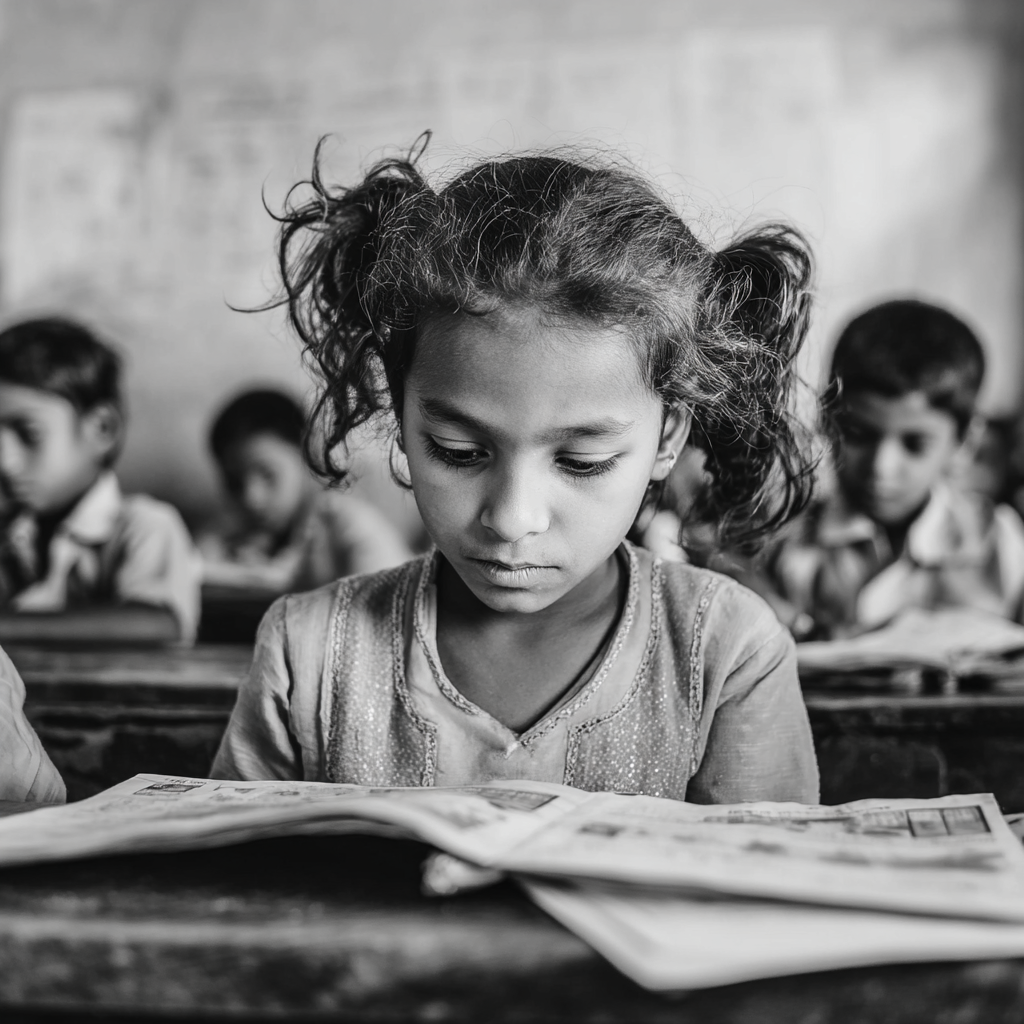
When the First Button Is Missing in Learning
—
by
There is a quiet moment in many classrooms when a teacher realizes that a student is not simply behind, but disconnected from the very starting point of learning. The child listens, watches, and even tries, yet nothing seems to anchor. This is not a matter of motivation or effort. It is the absence of the…
-
Libraries as Learning Hubs: Strategies to Reduce Regional Gaps
—
by
Educational inequality rarely announces itself loudly. It grows quietly, neighborhood by neighborhood, shaped by access, proximity, and opportunity. In many regions, the distance between a student and meaningful learning resources is not measured only in kilometers, but in consistency, exposure, and support. This is precisely why the role of local libraries deserves renewed attention. When…
-
When Top-Tier Focus Creates a Dead Zone of Learners
—
by
In many schools, a quiet pattern has become familiar. Curriculum meetings revolve around how to stretch the highest performers and how to remediate those who are far behind. Somewhere in between sits a large group of students who rarely trigger alarms and rarely receive targeted support. These students are present, compliant, and statistically “average.” Over…
-
Cognitive Poverty, The Hidden Crisis Undermining Learning
—
by
In many classrooms today, the most serious learning gap is not immediately visible in test scores or grades. It appears quietly, in hesitant reading, shallow explanations, and a growing dependence on memorized answers. Educators sense it when students struggle to explain why an answer is correct, or when motivation collapses the moment external pressure disappears.…
-
Teaching Across Cultures, What Multicultural Schools Are Really Facing
—
by
In many classrooms today, the most significant learning barriers are not found in textbooks or lesson plans. They sit quietly in the space between languages, between cultural expectations, and between a child’s past and present. In multicultural and migrant communities, schools are often the first public institutions where these tensions surface. When they are misunderstood,…
-
When Home Learning Breaks Down, What Schools Must See
—
by
Learning does not pause politely when family support weakens. It fractures quietly. In classrooms, the signs appear as unfinished homework, emotional withdrawal, or sudden disengagement from routines that once worked. Too often, these behaviors are misread as motivation problems or discipline issues. In reality, they are signals of a deeper rupture, the breakdown of the…
-
The Shadow of Digital Inequality in Modern Education
—
by
Digital technology is often described as a great equalizer in education. Learning platforms promise personalization, open resources claim to democratize knowledge, and data-driven instruction is positioned as a path toward fairness. Yet in daily practice, many educators sense a growing contradiction. The very tools designed to reduce inequality are, in many contexts, deepening it. This…
-

Teaching with Cultural Sensitivity: Guiding Multilingual and Multicultural Students
—
by
In today’s classrooms, cultural and linguistic diversity is no longer an exception but the norm. Teachers now stand at the crossroads of multiple worlds, where students bring with them not just different languages, but distinct values, family traditions, and worldviews. The question is no longer whether we should be sensitive to cultural differences, but how…